
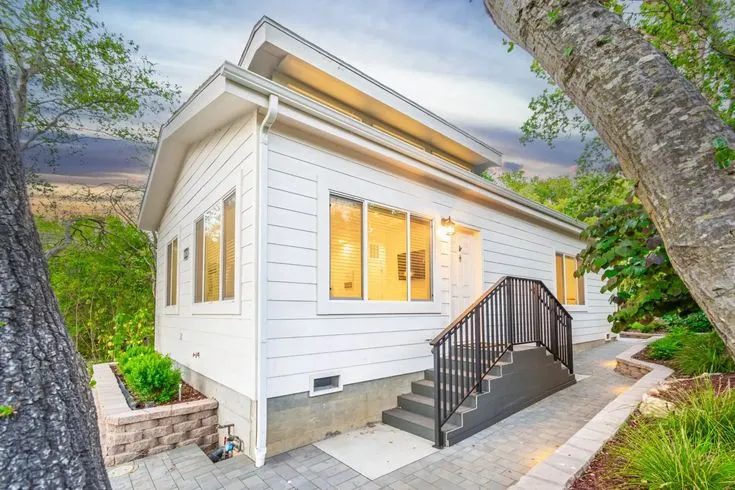
Accessory dwelling units have become attractive features for Los Angeles homebuyers seeking additional living space, rental possibilities, or accommodation for relatives. However, a converted garage or backyard residence may not have received the permits and approvals required for legal occupancy. Discovering this issue after purchasing a property can introduce unexpected expenses and restrictions.
Before completing a transaction, consulting real estate lawyers in los angeles can help buyers understand contractual risks involving unauthorized construction. Examining building records, property descriptions, and inspection findings can provide a clearer picture of what is legally permitted.
Understanding What Makes an ADU Unpermitted
An accessory dwelling unit generally provides independent living facilities on a property containing an existing or proposed primary residence. These units may be attached, detached, or created through conversions of qualifying existing spaces.
An ADU becomes a legal concern when required construction permits, inspections, or approvals were never obtained. A finished garage containing a kitchen and bathroom does not automatically qualify as an authorized dwelling.
Buyers should distinguish between attractive interior improvements and documented approval for residential use. These are separate considerations that can affect future ownership decisions.
Why Permit Records Matter
Building records provide important information about authorized construction. In Los Angeles, the Department of Building and Safety maintains records involving permits, inspections, and certificates of occupancy.
A buyer should examine whether the property’s advertised living space corresponds with available documentation. The existence of a permit application does not necessarily mean construction received final approval.
Records may reveal unfinished inspections, expired permits, or construction completed under a different approved use.
Understanding these differences before closing can help buyers identify questions requiring professional investigation rather than relying exclusively on listing descriptions.
Questions to Ask Before Purchasing
A property featuring an additional dwelling deserves careful evaluation, especially when its construction history is unclear. Buyers should request supporting information early enough to investigate concerns before contractual deadlines expire.
Important questions include:
-
Was the ADU built or converted with the required permits?
-
Are final inspections documented?
-
Is a certificate of occupancy available where required?
-
Does the approved use match the property’s current arrangement?
-
Were plumbing and electrical modifications authorized?
-
Are unresolved code enforcement notices associated with the structure?
The answers may influence renovation costs, financing arrangements, and the intended use of the property. Buyers should avoid assuming that an attractive conversion satisfies every applicable requirement.
Understanding Potential Legalization Options
Some unpermitted ADUs may qualify for a process that allows owners to seek retroactive authorization. California provides certain pathways for older unpermitted units, but eligibility and required corrective work depend on statutory conditions and local review.
Legalization is not automatic. Building officials may require documentation, inspections, and improvements addressing applicable health and safety concerns.
The costs can vary considerably depending on structural conditions and previous construction.
Before purchasing, buyers should consult qualified building professionals to understand whether the existing unit could reasonably obtain approval. Unverified assumptions about future legalization can create substantial financial exposure.
How Unpermitted Space Can Affect Financing
Lenders and appraisers may evaluate unpermitted improvements differently from authorized living areas. A property’s advertised square footage does not necessarily determine the space recognized during an appraisal.
If a buyer expects rental income from an ADU, its legal status may also affect financing assumptions and plans for future use.
An unpermitted conversion does not automatically prevent every transaction, but it can create additional questions for lenders, insurers, and prospective buyers.
Confirming these issues before removing financing or inspection contingencies may help prevent unexpected difficulties during escrow.
Addressing Concerns Through the Purchase Agreement
When permit questions remain unresolved, contract terms become particularly important. Buyers may consider requesting additional documents, professional evaluations, or negotiated provisions addressing identified concerns.
Professionals familiar with real estate law los angeles can help evaluate purchase agreement language, disclosure issues, and available contractual options.
The appropriate approach depends on the transaction and the seller’s obligations. Buyers should not assume that purchasing a property in its existing condition eliminates every potential disclosure concern.
Clearly documenting any negotiated understanding can reduce uncertainty about which party will address identified problems.
Conclusion
Purchasing a home with an unpermitted ADU requires careful attention to building approvals, financial implications, and contractual obligations. Reviewing official records and seeking appropriate inspections can help buyers understand the practical risks before committing.
For Los Angeles property buyers evaluating unusual construction or purchase agreement concerns, mehdlaw.com provides information about real estate legal services. Qualified guidance and reliable documentation can support informed decisions when an additional dwelling’s legal status remains uncertain.