
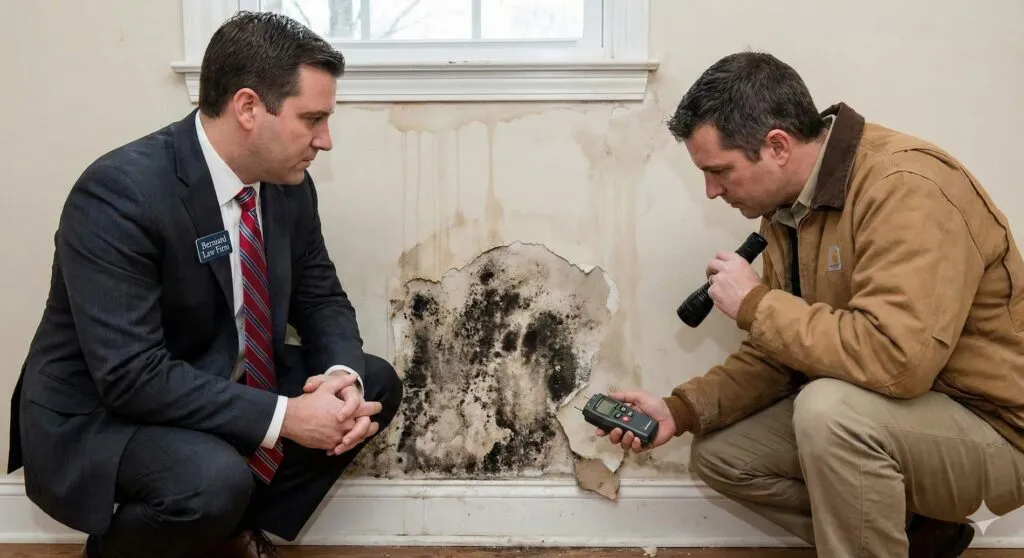
Seeing dark-colored mold in a rental can be alarming, especially because the phrase “black mold” is often used online as if it identifies one specific level of danger. Color alone does not determine health risk, and tenants should avoid trying to identify mold species from appearance. The practical questions are where the moisture is coming from, whether the condition is recurring, and whether the property owner has been notified. A person considering a black mold attorney may still need to document the housing condition carefully before legal questions about responsibility can be evaluated.
Start With the Moisture Source
Mold growth depends on moisture. Leaks, water intrusion, condensation, poor ventilation, and previous flooding can all create conditions that allow mold to develop.
California public-health guidance emphasizes that controlling dampness is central to controlling mold. It also advises addressing the source of water rather than simply covering visible growth.
For tenants, that means noting leaks, window intrusion, bathroom moisture, or other conditions that may be contributing.
Do Not Judge Risk by Color Alone
Dark green, brown, or black growth may look more concerning than lighter mold, but appearance does not provide a reliable diagnosis.
A photograph can document what was visible, but it cannot identify the species or prove the cause of a health symptom. Avoid statements such as “this is definitely toxic black mold” unless a qualified professional has actually made that determination.
This distinction helps keep communications factual rather than speculative.
Report the Condition Clearly
Written notice can be important because it establishes when the landlord or property manager was informed.
Describe where the condition appears, when it was first noticed, whether there is active water, and whether it has returned after earlier work. Attach photographs if practical.
Avoid sending a long message filled with legal conclusions or medical claims. A clear factual description is easier to understand.
Keep a Record of What Happens Next
Save maintenance requests, inspection notices, contractor visits, and repair communications. If someone paints over an affected area, fixes a leak, removes material, or conducts testing, note the date and what you observed.
California public-health materials caution that simply painting over mold without addressing the moisture source may allow the problem to recur.
A timeline can show whether the condition improved, returned, or changed.
Understand the Difference Between a Housing Issue and a Legal Claim
Visible mold or dampness can raise habitability concerns, but the existence of mold does not automatically establish a particular legal claim or amount of damages.
Someone speaking with a mold attorney california may need to discuss notice, repair history, property condition, lease terms, damaged belongings, code-enforcement involvement, and other facts.
California guidance explains that qualifying dampness or visible mold may be treated as a substandard housing condition when it reaches a level that endangers occupants.
The legal significance of any individual situation can still depend on its specific facts.
Treat Health Concerns Separately
People living in damp or moldy environments may experience respiratory or allergic effects, but symptoms can have many potential causes. Anyone with health concerns should seek appropriate medical advice.
Do not use internet photographs or home visual inspection to diagnose illness. If a healthcare professional evaluates symptoms, keep those records separate from repair requests and property-damage documentation.
This helps keep medical questions separate from assumptions about legal causation.
Consider Local Code Enforcement When Appropriate
If a significant dampness or mold condition is not being addressed, local code enforcement may be one source of information or inspection depending on the circumstances.
The California Department of Public Health notes that it does not inspect individual homes for mold and directs renters to local code-enforcement agencies for housing-code concerns.
Tenants should check the current procedure for their city or county rather than assuming every jurisdiction handles complaints identically.
Avoid Destroying Evidence During Cleanup
Cleaning or remediation may need to happen promptly, but tenants can still document the condition first where it is safe and practical.
Photographs, written notices, damaged-property records, and inspection documents can preserve information after the physical condition has changed.
Do not delay urgent repairs solely to collect more evidence.
Conclusion
Dark or black-colored mold should be approached as a moisture and housing-condition problem, not diagnosed by color alone. Tenants can respond more effectively by identifying possible moisture sources, documenting the visible condition, giving written notice, and keeping records of repairs and recurrence.
Health concerns belong with qualified medical professionals, while legal questions may require review of the lease, notice history, housing condition, and other evidence. Keeping those issues separate helps create a clearer record and avoids turning an alarming visual problem into unsupported conclusions.