

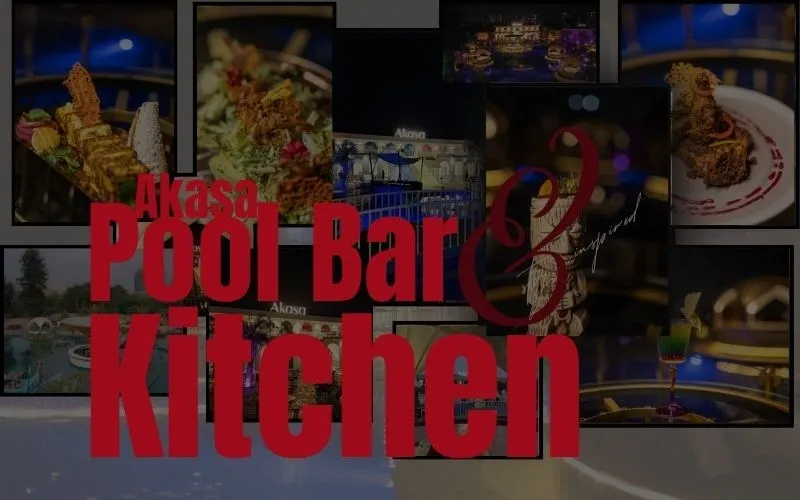
Visiting a new restaurant can be exciting, but a little preparation makes the experience more comfortable. tastymenuideas.com provides useful restaurant information for readers who want to understand dining options and make sensible choices before heading out. A restaurant may look impressive in photographs, yet customers need more than attractive interiors to enjoy a visit. Food choices, service, cleanliness, location, prices, and seating can all influence the overall experience. These details become especially important when visiting with family, friends, or colleagues. Checking a few basic things beforehand can save time and prevent unnecessary disappointment. You do not need to research every small detail before an ordinary meal. A practical approach is enough to understand whether the restaurant suits your plans and expectations.
Check the Restaurant’s Location
Start by confirming the restaurant’s correct location and the easiest way to reach it. Some businesses have similar names, multiple branches, or entrances that are difficult to identify. Search for the complete address and compare it with the location shown on a reliable map service. Check the approximate travel time from your starting point, especially when visiting during busy hours. A restaurant located nearby may still take longer to reach because of traffic, road conditions, or limited parking. If you plan to use public transport, find out whether a station or bus stop is within a comfortable walking distance. Guests travelling by car should check the parking situation before leaving. Some restaurants have dedicated parking, while others depend on nearby public spaces. If the restaurant is inside a shopping centre, hotel, or commercial building, check which entrance is most convenient. Sharing the correct location with other guests can also prevent delays. Do not rely only on a restaurant name when several businesses use similar wording. Confirming the address gives everyone a clear starting point and makes the journey easier to organise.
Review Recent Customer Feedback
Customer reviews can help visitors understand what other people experienced at the restaurant. Read recent feedback instead of depending entirely on older comments that may no longer reflect current service. Look for repeated observations about food quality, waiting time, staff behaviour, cleanliness, and portion sizes. A single negative review does not necessarily mean the restaurant should be avoided. Likewise, several positive comments do not guarantee that every visit will be perfect. Pay attention to patterns across different reviews and consider whether they relate to your own priorities. Someone visiting for a quick lunch may care more about waiting time than interior decoration. A family may focus on seating arrangements, menu variety, and staff friendliness. Reviews that include specific details are often more useful than very short comments. Check whether customers mention the same issue repeatedly across different dates. Also remember that personal expectations can vary widely. One guest may dislike a dish that another person enjoys. Use reviews as supporting information rather than treating them as a final judgement. Combining customer feedback with menu details and location information gives you a more balanced picture before visiting.
Explore the Current Menu
The menu is one of the most useful things to check before visiting an unfamiliar restaurant. It helps you understand whether the available dishes match your taste and dietary preferences. Look for a current menu on the restaurant’s official website or verified social media page. Some online listings contain old photographs or menus that may have changed. If prices are missing, contact the restaurant and ask for updated information. Check whether the menu includes suitable vegetarian choices, familiar dishes, and options for different appetites. Customers with food allergies should ask about ingredients and kitchen preparation rather than relying only on dish names. It is also worth checking whether the restaurant offers a separate menu for children or special dietary needs. A large menu can look impressive, but variety alone does not determine quality. Focus on whether the restaurant serves the type of meal you actually want. If the menu contains unfamiliar terms, ask staff for explanations before ordering. Checking the options in advance can make the dining experience smoother, especially when several people are visiting together. It also helps avoid arriving at a restaurant and discovering that very few dishes suit the group.
Understand the Price Range
A restaurant’s price range should fit the purpose and budget of your visit. Check the listed prices before travelling, especially when the restaurant is unfamiliar. Some places offer affordable everyday meals, while others focus on premium dining experiences. Neither option is automatically better because suitability depends on what customers expect. Consider the likely total cost rather than looking at only one main course. Starters, beverages, desserts, side dishes, and additional charges can increase the final amount. If the restaurant provides a fixed meal package, check what the price includes. Ask whether taxes or service-related charges are added separately when the information is unclear. For group visits, discuss the expected spending range before making a reservation. This can prevent awkward conversations when everyone receives the bill. If guests prefer separate payments, ask whether the restaurant can divide the amount by person. It is also sensible to check cancellation or advance-payment rules before confirming a large booking. A clear understanding of prices allows customers to enjoy their meal without worrying about unexpected costs. Choose a place that offers a comfortable balance between food, service, and affordability.
Look at Opening Hours
Opening hours may seem like a small detail, but checking them can prevent a wasted journey. Restaurant schedules sometimes change because of holidays, private events, maintenance, or seasonal business patterns. Online listings can also show outdated information, particularly when a business has recently changed its schedule. Check the restaurant’s official page and confirm the hours if your visit is important. Pay attention to separate timings for lunch, dinner, and special services. Some restaurants close between meal periods even when their general listing appears open. If you plan to visit late, ask about the final order time rather than assuming that the kitchen remains available until closing. Arriving shortly before closing may leave limited time for a relaxed meal. Weekends and public holidays can also have different schedules from regular weekdays. When travelling from another area, calling ahead is a sensible step. Ask whether the restaurant expects normal service during your planned visit. This is especially useful for celebrations or meetings where changing the location at the last moment would create inconvenience. Confirming opening hours helps you plan the journey and arrival time more accurately.
Check Seating and Reservations
Seating arrangements can influence how comfortable your visit becomes, particularly during busy periods. A restaurant may have attractive interiors but limited space for larger groups. If you are visiting alone or with one other person, finding a table may be relatively simple. Larger parties should consider booking in advance because suitable tables can be limited. Ask whether the restaurant provides indoor seating, outdoor seating, or both. Guests who prefer a quieter environment may want to avoid crowded areas near entrances or entertainment spaces. Families might need additional room for children, bags, or special seating requirements. If anyone has mobility concerns, ask about steps, lifts, accessible entrances, and table arrangements. A reservation should include the correct date, time, and number of guests. Confirm whether the restaurant requires an advance payment or has a cancellation policy. If your group size changes, inform the staff as early as possible. Do not assume that an online booking request is confirmed until you receive a response. Keeping the confirmation details available can make arrival easier. A suitable seating arrangement allows guests to settle comfortably and focus on enjoying their meal.
Observe Cleanliness Standards
Cleanliness is an important part of the restaurant experience and deserves attention before ordering. Customers can notice several visible details when entering a dining area. Tables, chairs, floors, washrooms, and service counters should appear reasonably clean and maintained. Staff should handle serving items carefully and keep the dining space organised. Clean surroundings do not reveal every detail about kitchen practices, but they provide useful information about general management. If the restaurant has an open kitchen, customers may be able to observe some preparation activities. However, not every restaurant has a layout that allows this view. Pay attention to the condition of plates, glasses, cutlery, and table surfaces when seated. If something appears unclean, politely ask staff to replace it before using it. Washroom maintenance can also offer clues about how carefully the premises are managed. Customers should avoid making strong conclusions from one minor issue, but repeated problems deserve attention. Food safety is more important than decorative presentation. A restaurant should maintain basic hygiene standards consistently, not only during quieter periods. Choosing a place with clean and well-maintained surroundings helps create a more comfortable dining experience.
Consider Noise and Comfort
The atmosphere can make a noticeable difference to how much you enjoy a restaurant visit. Some people like lively spaces with music and conversation, while others prefer quieter surroundings. Think about the purpose of your visit before choosing a setting. A casual meeting with friends may suit a busy restaurant, but a business discussion might require a calmer environment. Check customer photographs and recent comments for clues about seating and noise levels. Remember that the atmosphere can change according to the time and day. A restaurant may feel peaceful during afternoon hours and become crowded during dinner. Temperature, lighting, ventilation, and table spacing also affect comfort. Guests should have enough space to sit and move without feeling restricted. Outdoor seating may be pleasant in suitable weather, but it may not work during rain or extreme temperatures. If comfort is especially important, contact the restaurant and ask about available seating areas. Families with young children may prefer a setting where movement and conversation feel natural. A suitable atmosphere supports the reason behind the visit and helps guests enjoy their time without unnecessary distractions.
Ask About Dietary Options
Dietary needs should be considered before visiting a new restaurant, especially when several people are attending. A menu may appear varied but still offer limited choices for particular requirements. Check whether suitable vegetarian, vegan, or other requested options are available. Customers with allergies should contact the restaurant directly and explain the ingredients they need to avoid. Ask whether staff can provide accurate information about sauces, marinades, cooking oils, and preparation methods. Some ingredients may be present in dishes even when their names do not suggest it. Customers should also understand that a restaurant may have limitations in preventing contact between different ingredients. Serious allergy concerns require clear communication and careful consideration before choosing a place. For less restrictive preferences, such as avoiding very spicy food, the staff may be able to recommend suitable dishes. If someone follows a specific eating plan, ask whether the kitchen can make reasonable adjustments. Do not assume that every restaurant can fulfil every request. A polite conversation before the visit gives customers a better idea of what is possible. Planning around dietary needs helps the entire group feel considered and reduces confusion when ordering.
Check Service and Waiting Times
Service quality affects how smoothly a restaurant visit progresses. Customers usually expect staff to welcome them, explain the menu when needed, and handle orders accurately. Reviews can provide clues about service, but actual experiences may differ between visits. Waiting times also depend on the number of customers and the complexity of the order. A popular restaurant may become busy during lunch, dinner, or weekend periods. If you have limited time, ask whether the restaurant offers quick meal options. It may also help to visit outside the busiest hours when your schedule allows. For larger groups, food preparation can take longer because several dishes need to be served together. Ask about approximate waiting times if the restaurant appears crowded. Avoid assuming that every delay indicates poor service because kitchens can face unexpected demand. However, staff should communicate clearly when significant delays occur. If you are attending a meeting or special occasion, allow enough time rather than planning an extremely tight schedule. Understanding the likely service pace helps you choose a suitable time and reduces pressure during the meal.
Check Available Payment Methods
Payment arrangements are worth checking before visiting, particularly when the restaurant is located in an unfamiliar area. Many restaurants accept several payment methods, but customers should not assume that every option is available. Check whether cards, digital payments, and cash are accepted. If the restaurant has a minimum amount for certain payment methods, ask about it before ordering. Groups should also confirm whether separate bills are possible. Some restaurants can divide payments by person, while others may prefer one combined transaction. If someone plans to pay for the entire table, confirm the accepted method and any relevant limits. Keep a backup payment option available when practical. Network problems or temporary payment service issues can occasionally create delays. It is also useful to review the bill before completing payment. Check that the listed dishes match the order and that any additional charges are understandable. If an item appears incorrect, politely ask the staff to explain it. Clear payment information makes the end of the visit easier and prevents avoidable disagreements. Customers can then leave with a better overall impression of the restaurant.
Plan Around Your Group
A restaurant that works well for one person may not suit a family or large group. Before choosing a place, think about the people attending and what they need from the visit. Families may prefer practical seating, familiar food options, and a relaxed atmosphere. Friends might value menu variety and enough space for conversation. Colleagues may need a convenient location and an environment suitable for discussion. Children can require different arrangements from adults, including smaller portions and comfortable seating. Older guests may appreciate easy access and chairs that provide proper support. If the group includes people with different food preferences, choose a restaurant with enough suitable options. Discuss the approximate budget and preferred timing before making a booking. It is also helpful to share the location and reservation details with everyone. If guests are travelling separately, agree on an arrival time that allows for minor delays. A little coordination can prevent confusion and make the visit more enjoyable. The best restaurant is not always the most popular one. It is the place that matches the group’s practical needs and gives everyone a comfortable experience.
Make a Simple Final Check
Before leaving home, review the most important details one final time. Confirm the address, opening hours, reservation, and expected travel time. Check the current menu if someone has specific dietary requirements. Make sure the group understands the meeting point and arrival time. If the restaurant is hosting a special event or has limited seating, contact the staff to confirm that normal service is available. Keep the booking confirmation and contact number easy to find. There is no need to overcomplicate an ordinary restaurant visit with excessive research. Focus on the details that could genuinely affect the experience. Once these basics are covered, allow yourself to enjoy the meal rather than constantly checking every small possibility. A restaurant visit should be a pleasant break, not a complicated task. Good preparation simply makes it easier to relax after arriving. Choose a restaurant that fits your needs, communicate clearly with the staff, and give yourself enough time to enjoy the experience. Plan your next visit with these practical checks and make a confident dining decision.
Read also :-