
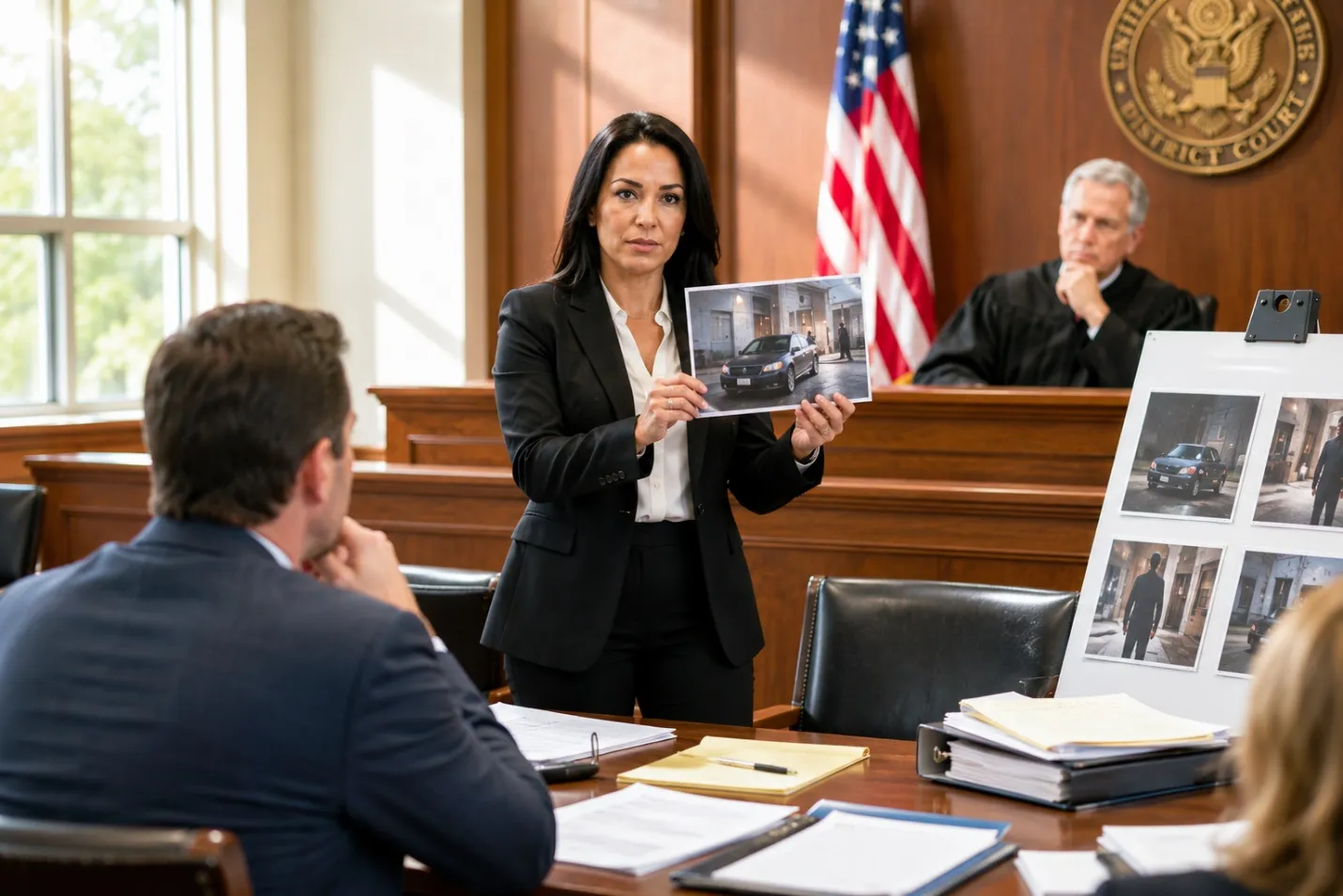
Preparing a civil lawsuit involves much more than filing documents and presenting arguments. Attorneys must understand what happened, identify relevant witnesses, evaluate available records, and determine whether the evidence supports their client’s position. Missing information can complicate these tasks, particularly when events occurred months or years earlier.
Private investigators can assist legal teams by gathering factual information and documenting relevant circumstances within lawful boundaries. Valdes Investigation Group offers litigation support services that include witness-related research, evidence documentation, and investigative assistance. Although investigators do not replace attorneys, their work may help legal professionals understand the factual background of a dispute and prepare for possible challenges.
Finding Witnesses Before Memories Fade
Witness testimony can become important when a dispute involves conflicting accounts of an event. However, identifying and contacting witnesses may be difficult after people move, change employers, or lose contact with those involved.
Investigators may help locate potential witnesses through lawful research and appropriate outreach. When interviews occur, accurate notes and careful documentation can help preserve what the witness remembers.
Witnesses should never be pressured into providing a particular statement. Their recollections may be incomplete or inconsistent, and those limitations should be recorded rather than concealed.
Examining Locations Connected With Disputes
Certain cases require a better understanding of physical surroundings. An accident location, commercial property, or workplace setting may contain details relevant to an attorney’s evaluation.
Investigators can document accessible locations through photographs, measurements, observations, or other appropriate methods. They may also identify conditions that require examination by engineers, reconstruction specialists, or other qualified experts.
Conditions can change after an incident. Weather, construction, repairs, and ordinary use may alter the location, making it important to distinguish current observations from historical circumstances.
Supporting Attorneys With Organized Documentation
A Private Investigator Miami FL may assist law firms handling disputes in which independent research or field documentation is required. The exact investigative tasks should be coordinated with the responsible attorney.
Reports can include witness contact information, documented observations, records obtained through lawful means, and explanations of investigative methods. Organized material helps attorneys determine what additional work may be necessary.
Investigators should distinguish personal observations from statements supplied by others. This separation makes it easier to assess reliability and prevents secondhand information from being presented as direct knowledge.
Understanding Evidence Handling Requirements
Evidence can lose credibility when its origins or handling are unclear. Whether an investigation involves photographs, physical materials, or electronic records, documentation should explain how the information was obtained.
Chain-of-custody procedures may be particularly important for materials whose identity or integrity could be disputed. Digital evidence may require specialized preservation methods to reduce the risk of inadvertent changes.
Admissibility ultimately depends on applicable evidence rules and judicial decisions. Proper collection practices support the legal process, but they cannot guarantee that every investigative finding will be accepted in court.
Investigating Claims From Multiple Perspectives
Effective litigation preparation involves understanding evidence that supports and challenges a client’s position. An investigator who focuses exclusively on confirming an existing theory may overlook important inconsistencies.
Attorneys benefit from identifying potential weaknesses before they become unexpected issues during litigation. This can include conflicting witness accounts, incomplete documents, or alternative explanations of an incident.
Objective investigative work helps legal teams evaluate risk. In some cases, the information may support negotiations or settlement discussions rather than further litigation.
Working Within Professional And Legal Boundaries
Investigators and attorneys have different responsibilities. Attorneys interpret the law, provide legal advice, and represent clients. Investigators focus on authorized factual research and evidence gathering.
Clear instructions help prevent unnecessary work and ensure that investigative activity serves a legitimate purpose. Communication should address deadlines, reporting expectations, and the handling of sensitive information.
Legal teams should also consider confidentiality, privilege questions, and relevant discovery obligations. These issues may influence how an investigator is retained and how materials are managed.
Conclusion
Civil litigation often depends on the quality and organization of factual evidence. Professional investigative support can assist attorneys by locating witnesses, documenting relevant circumstances, and clarifying disputed information.
The litigation-related services available through valdesinvgr.com illustrate one way legal professionals may obtain specialized research assistance. However, successful case preparation also requires legal analysis, independent judgment, and careful attention to evidence rules. When investigators and attorneys work within their respective responsibilities, they can develop a clearer factual record and help clients make more informed decisions about their legal options.